Elizabeth Jeffreys: A personal perspective


Elizabeth Jeffreys
Elizabeth and her husband moved to Brecon in 2004, but both their families have much longer associations with the town.
Since arriving here Elizabeth has become fascinated by Brecon’s history, which stretches back to the 5th century and the Age of Saints, when King Brychan Brycheiniog ruled over the ancient kingdom of Brycheiniog. She tells us about a handbook from the 1950s, stumbled across shortly after she moved to town, which contained a fascinating reference reading. (See below). Elizabeth also reveals some of Brecon’s other key historical moments. These include the foundation of Brecon Rugby Club in 1874 and its role in founding of the Welsh Rugby Union in 1881, as well as the creation in 1775 of the Brecon Agricultural Society – now the oldest surviving agricultural society in the UK.
“Few if any of the older towns of Wales can compare with Brecon in the quality of its domestic architecture. Excellent examples of houses belonging to periods ranging from Tudor to early Victorian may be seen in its winding streets serving as a reminder of the opulence and respectability of bygone days.”
Another key event in 1775 was the birth of actress Sarah Siddons in the former Shoulder of Mutton Inn which now bears her name. In the 1750s her parents Roger and Sarah Kemble arrived in Brecon as part of a touring group and they visited the town with their family over the next 30 years. Sarah found fame as an actress whose life embraced failure, success, disaster and scandal. She enjoyed public adulation for 50 years and was painted by leading artists of the day, living a colourful life until her death in 1831. Today a sculpture of her stands in Westminster Abbey; funds for a statue were started by author Charles Dickens.
Listen to discover more of Elizabeth’s Brecon stories.

The Battle of Agincourt took place on October 25 1415 in Northern France. The stirring story of Henry V’s forces defeating a much larger French army has become one of the most celebrated events in British history, inspiring poems and play through the ages.

Brecon’s long and storied military history takes in many of the most significant conflicts of the last several hundred years, but perhaps the most famous is the battle of Rorke’s Drift during the Anglo-Zulu War of 1879.

A pioneering, Brecon-born woman doctor, campaigner and social reformer has been honoured with Wales’ 11th Purple Plaque, unveiled on the place of her birth in High Street, Brecon.

The new sculpture of Gwenllian Morgan has been unveiled at y Gaer. This was commissioned as part of the celebrations of International Women’s Day 2024.

The centenary of the South Wales Borderers and Monmouthshire Regiments’ war memorial has been marked in a moving service in Brecon Cathedral.

Hundreds of people crowded into the centre of Brecon to watch the 37th annual Gurkha Brecon Freedom parade. The event sees locally-based Gurkha soldiers parade through the town, marking their rights as honorary citizens.
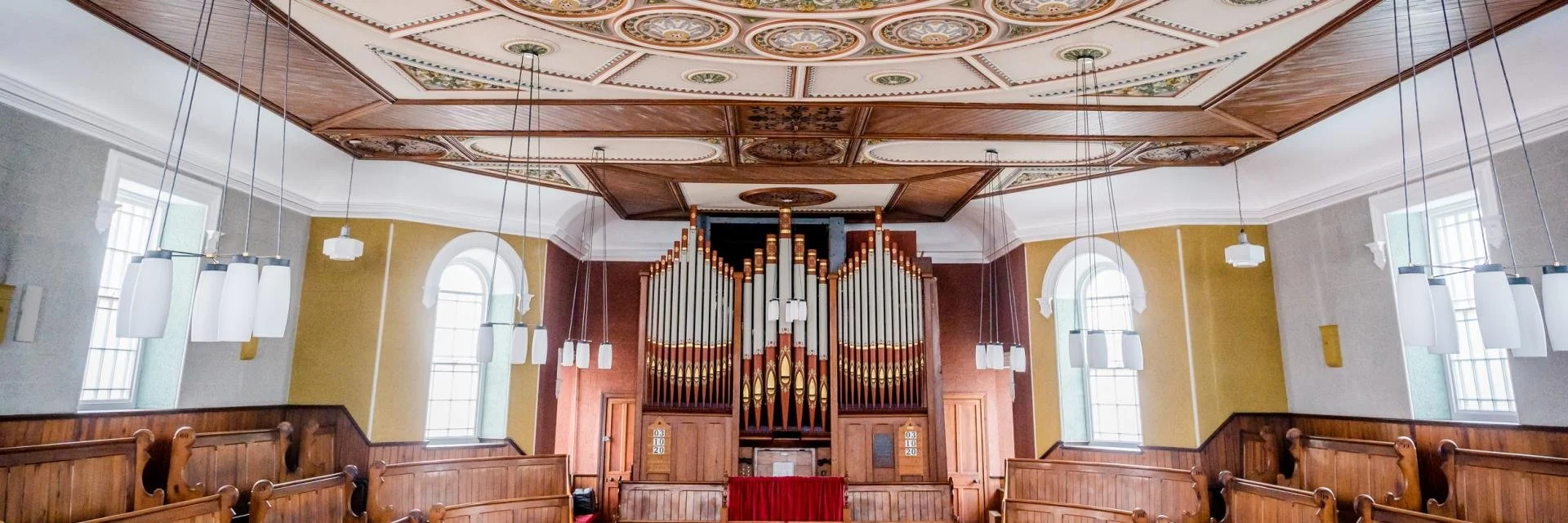
One of the most enduring of Brecon Stories: ‘The Plough Chapel got its name from the tavern that once occupied the site.’ It is a tale that has echoed down the generations, and a name that has been given to a succession of buildings.

This recollection of the festival origins by Jean Hosie , who became the festival administrator, describes how the first festival was planned, artists were invited, a programme put together, and business owners around the town persuaded to join the initiative and to provide multiple venues over a weekend in August.
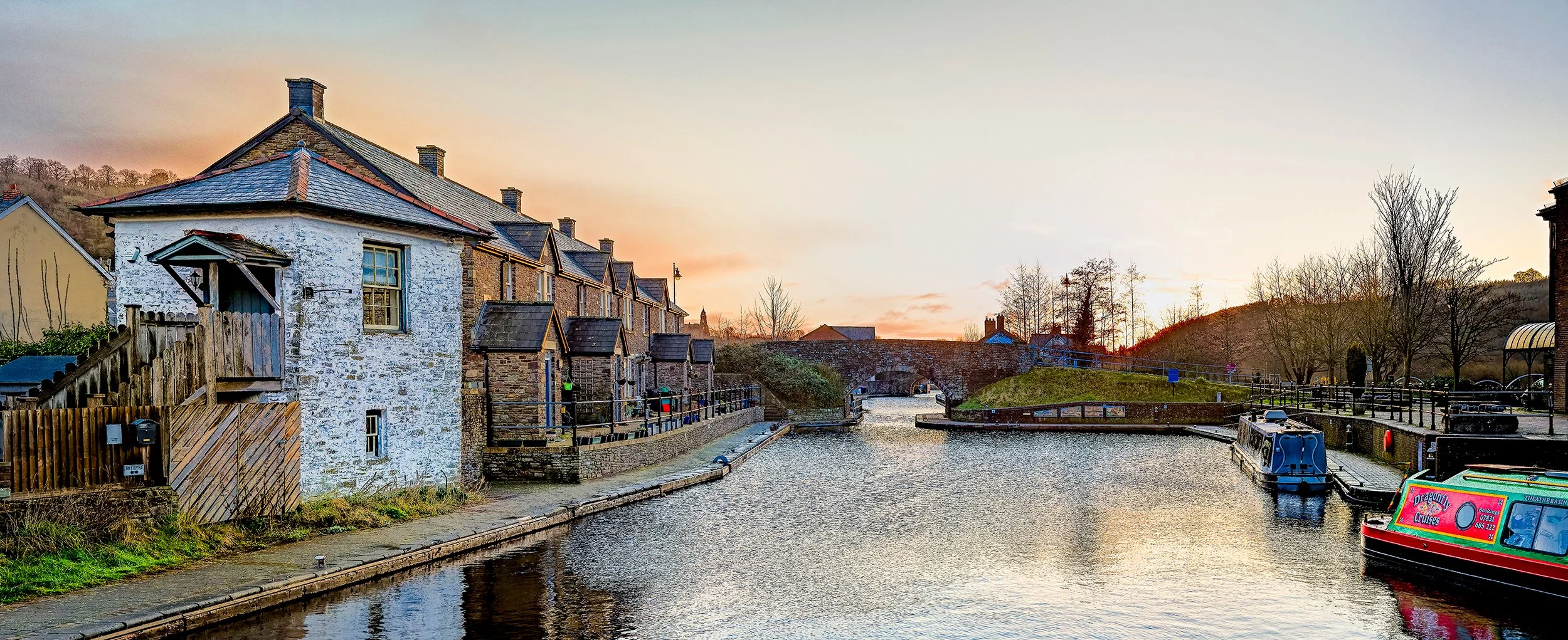
Rachael works as a stonemason for the Canal and River Trust, using her skills to preserve the Monmouthshire and Brecon Canal, a vitally important piece of local heritage. After studying for a Fine Art degree, she returned to Brecon in search of new challenges.
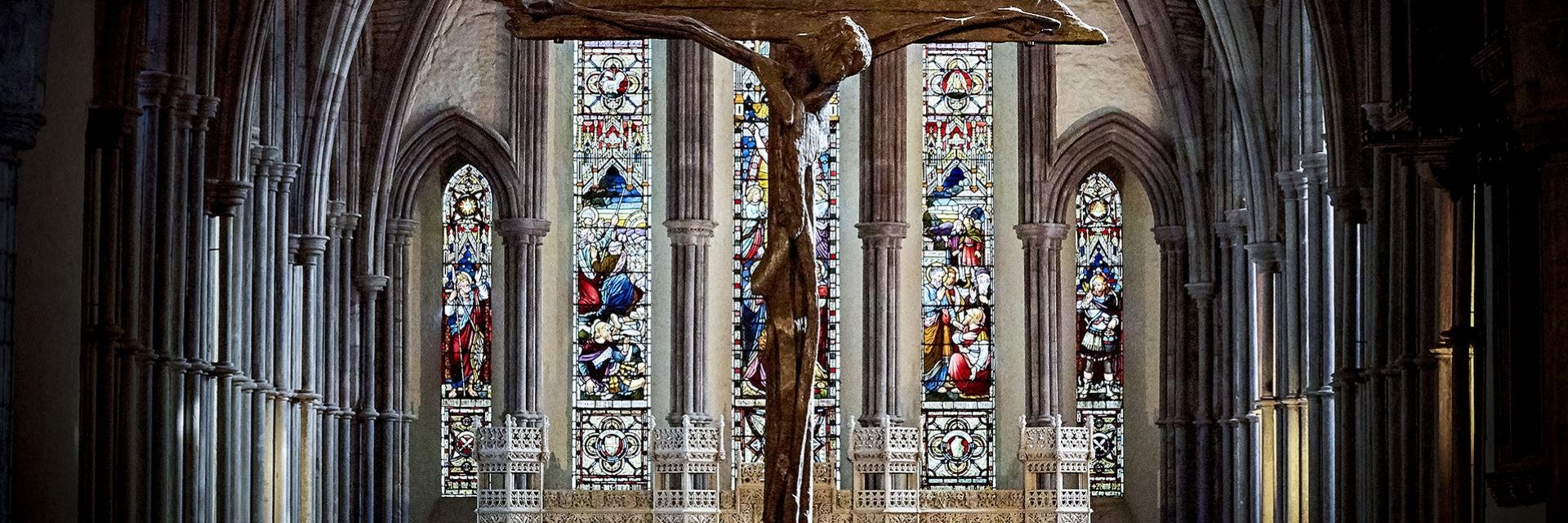
Frank leads Brecon Cathedral’s Welcomers Team, a group of volunteers on hand to assist and inform the Cathedral’s many visitors from across the world.

Many people are unaware that the first printed book in the Welsh language, 'Yn y Lhyvyr Hwnn', was written by a prominent Breconian - so an important 'first' for Brecon!

Brecon’s small but visible community of Nepalese people is made up of those settled here - about 70 families - and those stationed here with the British Army for 18 months to two years. We spoke to Guptaman Gurung and his daughter, Garima, about their experiences.

The idea of such an event taking place somewhere more accustomed to agricultural shows and sheepdog trials seemed very exotic, so she picked up her camera and decided to check it out.

Elizabeth and her husband moved to Brecon in 2004, but both their families have much longer associations with the town. Since arriving here Elizabeth has become fascinated by Brecon’s history, which stretches back to the 5th century and the Age of Saints, when King Brychan Brycheiniog ruled over the ancient kingdom of Brycheiniog.

Clare lives in Brecon and works for Canal and River Trust. One of her responsibilities is managing the Monmouthshire and Brecon Canal. Having lived in Brecon for 20 years, the canal has been a part of Clare’s family life, as outings there with her children progressed from pushchairs to bicycles and longer walks.

Local historian & author Jonathan Morgan talks to Brecon Story about some of the families that have shaped Brecon’s history.
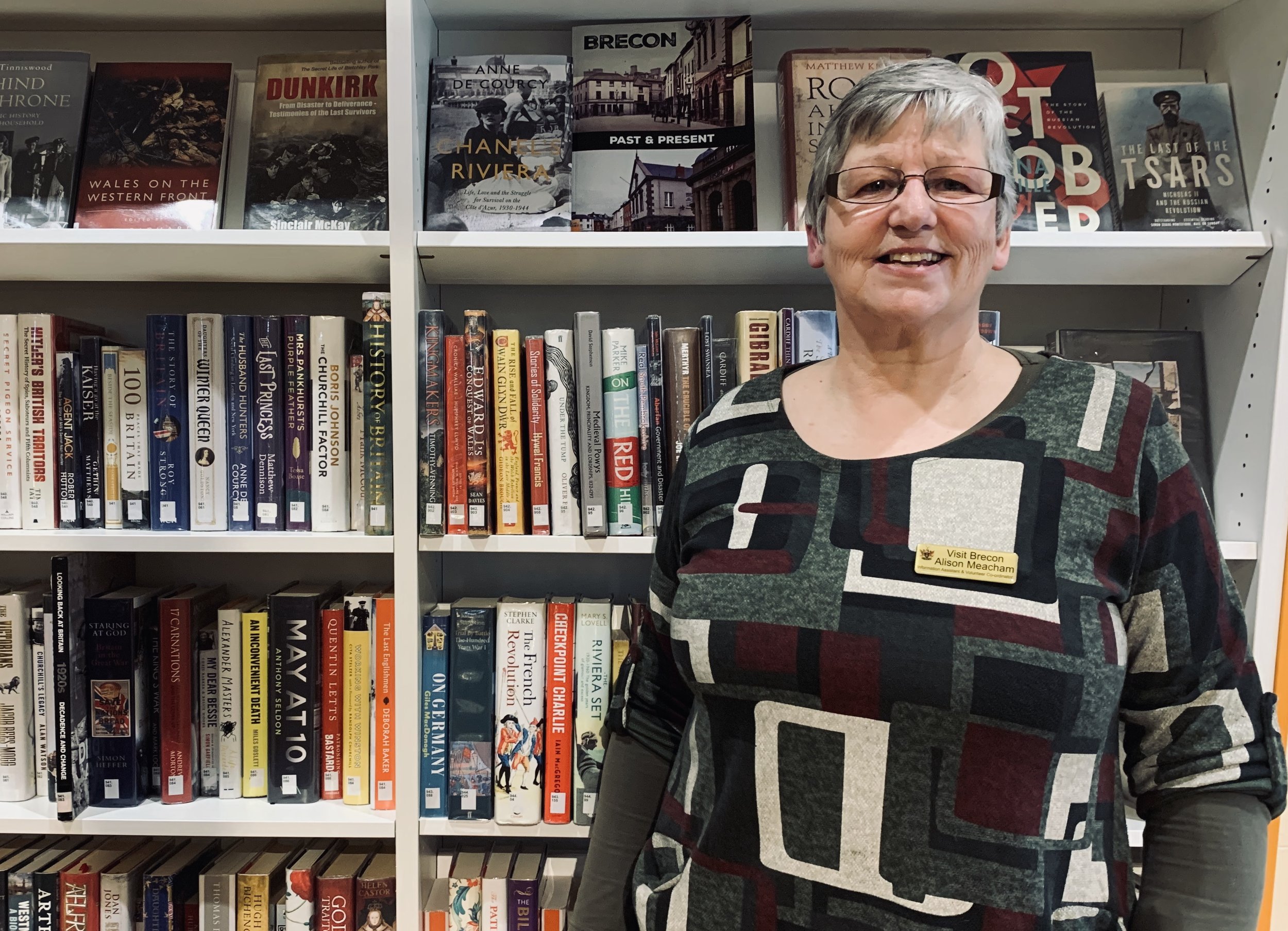
Alison Meacham of Visit Brecon tells us about her long love of Brecon and her role welcoming visitors to the town. She began visiting Brecon 55 years ago when she was a child living in the South Wales valleys.

Brecon local families and visitors alike are being invited to take an innovative new walk around some of the town’s long forgotten history.