Clare Parsons: Brecon’s canal: 200 years of heritage


Clare Parsons
Clare lives in Brecon and works for Canal and River Trust. One of her responsibilities is managing the Monmouthshire and Brecon Canal.
Having lived in Brecon for 20 years, the canal has been a part of Clare’s family life, as outings there with her children progressed from pushchairs to bicycles and longer walks.
Starting in the centre of Brecon at the canal basin, a trip along the canal gets you quickly in to the countryside where you can enjoy spectacular views and wildlife like herons and otters (if you’re lucky). You can travel on foot or by bike, or take things easy with a canal cruise.
“What inspires me is the way local residents and visitors mix to enjoy the same things the town and the natural environment.”
While today’s canal is a peaceful place for walkers, cyclists and boaters, it wasn’t always like this. Clare tells us about the canal’s long history, which began in the late 18th century. Created to transport materials to and from local lime kilns, farms and pits, the canal was originally a busy industrial artery. Barges laden with coal and lime once filled the water, with the canal carrying 150,000 tons of coal in 1809. However, by the end of the 19th century, rail took over and trade along the canal declined. For Clare, the canal is just one of Brecon’s fantastic features, which she describes as ‘A beautiful town in a beautiful location with all of the facilities you might want'. She tells us about how she enjoys running around with her dog, stopping off for coffee in one of Brecon’s many cafés.
Listen to find out more about Brecon and its canal.
Main image - Brecon Beacons National Park Authority

The Battle of Agincourt took place on October 25 1415 in Northern France. The stirring story of Henry V’s forces defeating a much larger French army has become one of the most celebrated events in British history, inspiring poems and play through the ages.

Brecon’s long and storied military history takes in many of the most significant conflicts of the last several hundred years, but perhaps the most famous is the battle of Rorke’s Drift during the Anglo-Zulu War of 1879.

A pioneering, Brecon-born woman doctor, campaigner and social reformer has been honoured with Wales’ 11th Purple Plaque, unveiled on the place of her birth in High Street, Brecon.

The new sculpture of Gwenllian Morgan has been unveiled at y Gaer. This was commissioned as part of the celebrations of International Women’s Day 2024.

The centenary of the South Wales Borderers and Monmouthshire Regiments’ war memorial has been marked in a moving service in Brecon Cathedral.

Hundreds of people crowded into the centre of Brecon to watch the 37th annual Gurkha Brecon Freedom parade. The event sees locally-based Gurkha soldiers parade through the town, marking their rights as honorary citizens.
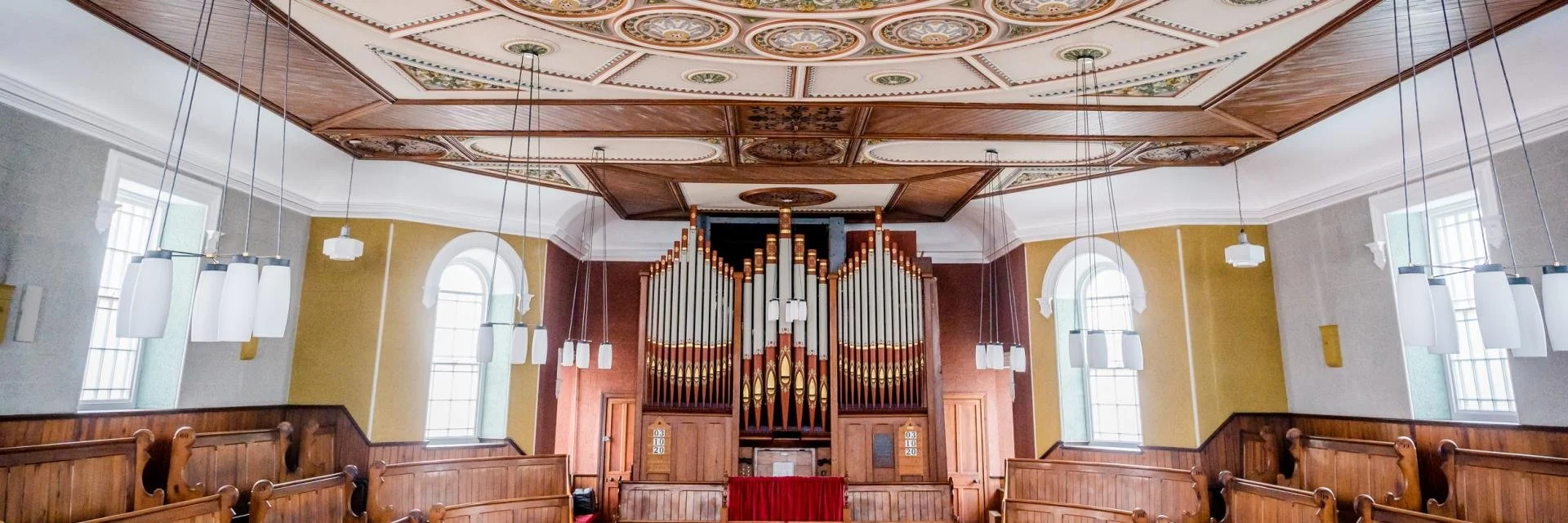
One of the most enduring of Brecon Stories: ‘The Plough Chapel got its name from the tavern that once occupied the site.’ It is a tale that has echoed down the generations, and a name that has been given to a succession of buildings.

This recollection of the festival origins by Jean Hosie , who became the festival administrator, describes how the first festival was planned, artists were invited, a programme put together, and business owners around the town persuaded to join the initiative and to provide multiple venues over a weekend in August.
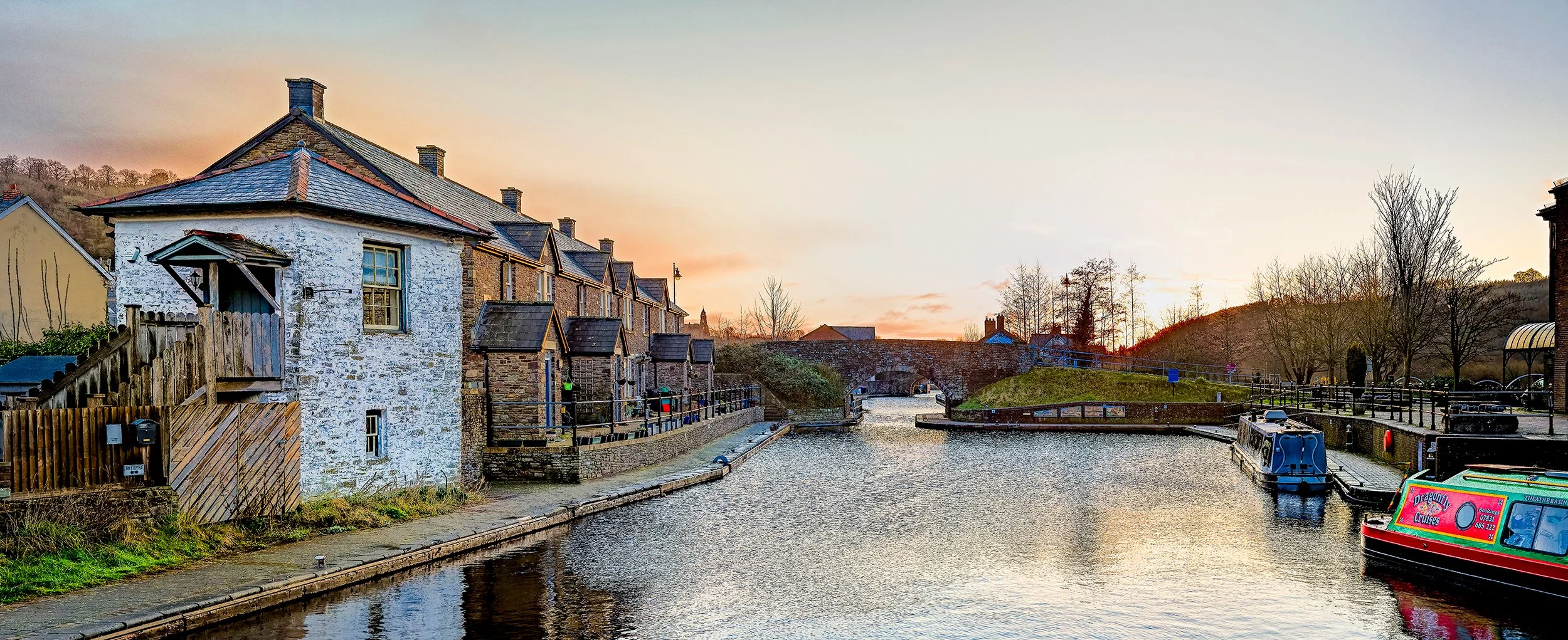
Rachael works as a stonemason for the Canal and River Trust, using her skills to preserve the Monmouthshire and Brecon Canal, a vitally important piece of local heritage. After studying for a Fine Art degree, she returned to Brecon in search of new challenges.
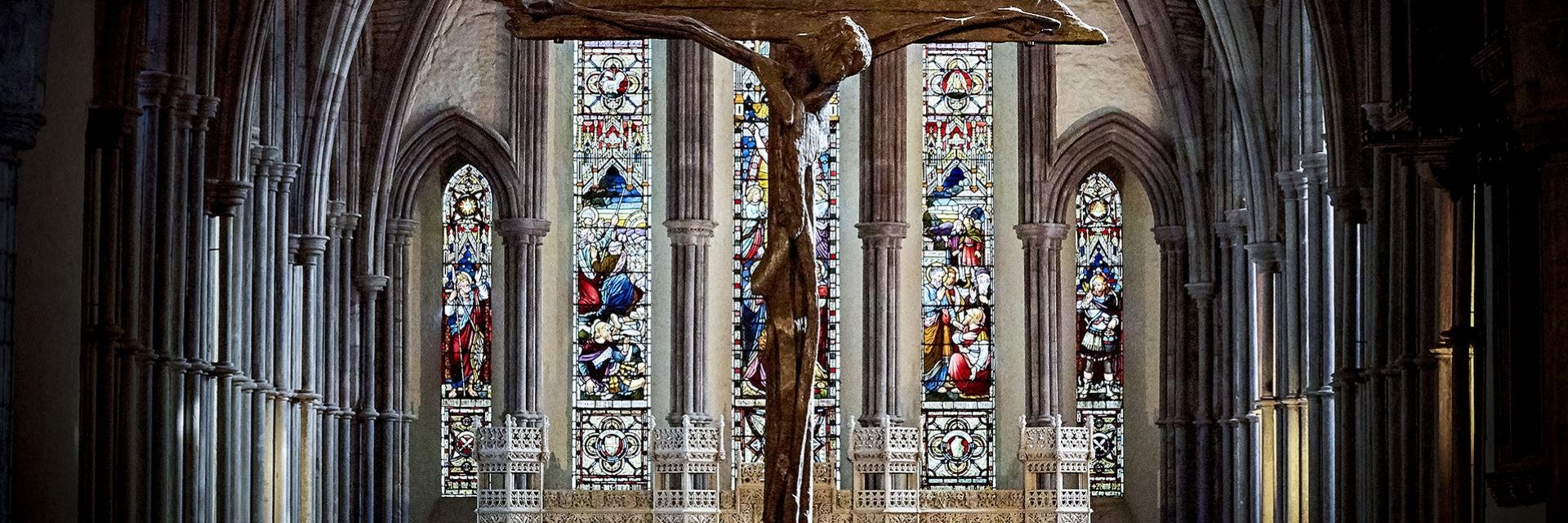
Frank leads Brecon Cathedral’s Welcomers Team, a group of volunteers on hand to assist and inform the Cathedral’s many visitors from across the world.

Many people are unaware that the first printed book in the Welsh language, 'Yn y Lhyvyr Hwnn', was written by a prominent Breconian - so an important 'first' for Brecon!

Brecon’s small but visible community of Nepalese people is made up of those settled here - about 70 families - and those stationed here with the British Army for 18 months to two years. We spoke to Guptaman Gurung and his daughter, Garima, about their experiences.

The idea of such an event taking place somewhere more accustomed to agricultural shows and sheepdog trials seemed very exotic, so she picked up her camera and decided to check it out.

Elizabeth and her husband moved to Brecon in 2004, but both their families have much longer associations with the town. Since arriving here Elizabeth has become fascinated by Brecon’s history, which stretches back to the 5th century and the Age of Saints, when King Brychan Brycheiniog ruled over the ancient kingdom of Brycheiniog.
Clare lives in Brecon and works for Canal and River Trust. One of her responsibilities is managing the Monmouthshire and Brecon Canal. Having lived in Brecon for 20 years, the canal has been a part of Clare’s family life, as outings there with her children progressed from pushchairs to bicycles and longer walks.

Local historian & author Jonathan Morgan talks to Brecon Story about some of the families that have shaped Brecon’s history.
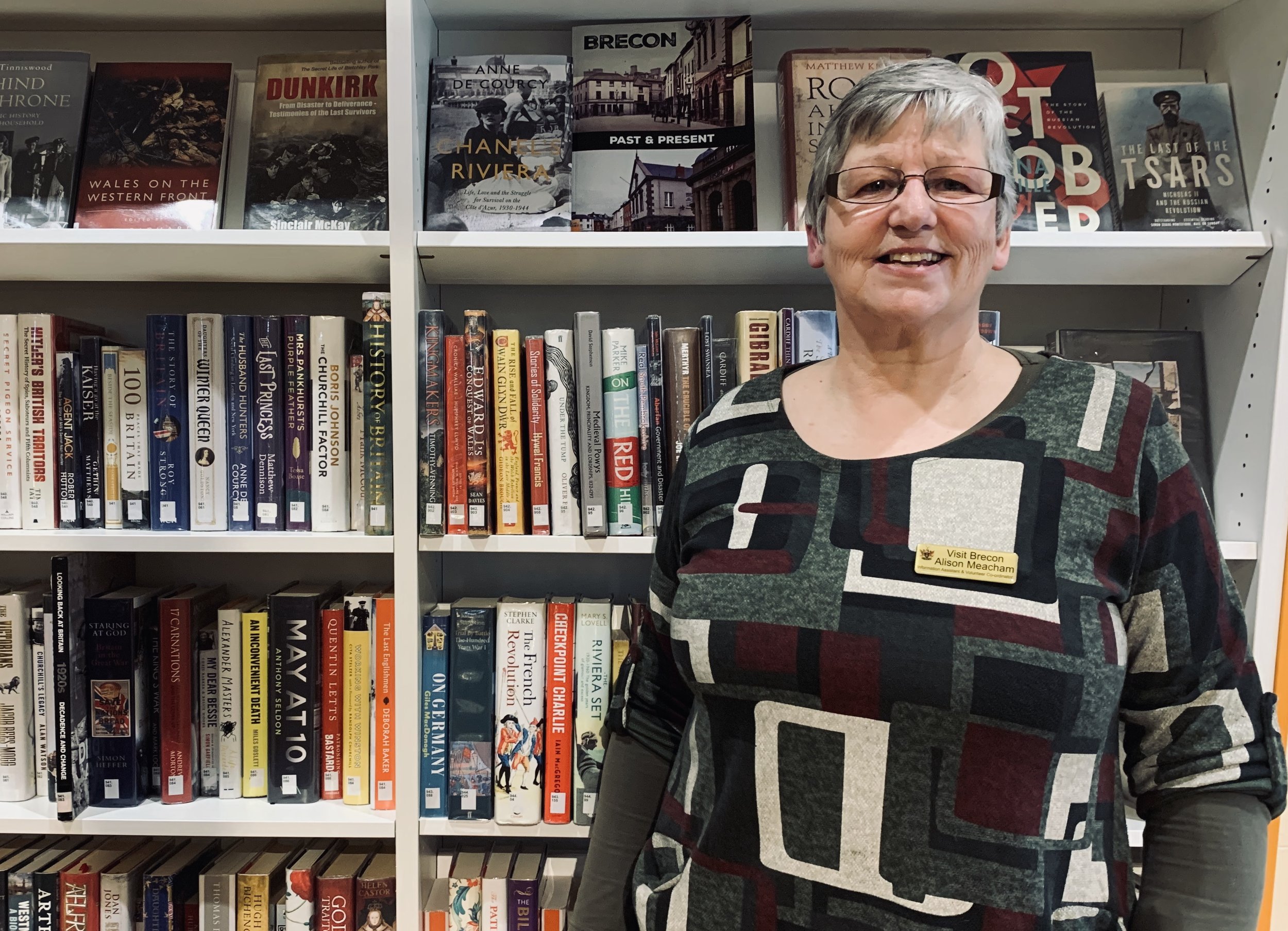
Alison Meacham of Visit Brecon tells us about her long love of Brecon and her role welcoming visitors to the town. She began visiting Brecon 55 years ago when she was a child living in the South Wales valleys.

Brecon local families and visitors alike are being invited to take an innovative new walk around some of the town’s long forgotten history.